
The Article
Why the Crash Question Is So Common

When home prices rise faster than wages, the idea of a crash becomes emotionally appealing. It offers a clean reset: affordability returns, buyers get another chance, and the pressure releases.
The problem is that real estate rarely provides clean resets on a schedule. Markets can cool, flatten, and adjust without collapsing. Even when prices fall, interest rates, lending standards, and job security often change at the same time.
The crash question is understandable, but it is usually asked from a place of uncertainty rather than strategy.
A Crash Is Not the Only Way Prices Come Down

People often imagine only two futures: prices keep rising or prices crash. In reality, housing markets adjust in multiple ways. Prices can stall, inventory can increase, or affordability can change because rates move rather than values.
A “soft landing” may look like years of flat pricing. For buyers, that can function as a correction without dramatic headlines. For sellers, it can feel like a loss because expectations were built on fast appreciation.
Waiting only makes sense if you understand what you are waiting for and what you will do if the market simply levels instead.
The Hidden Cost of Waiting
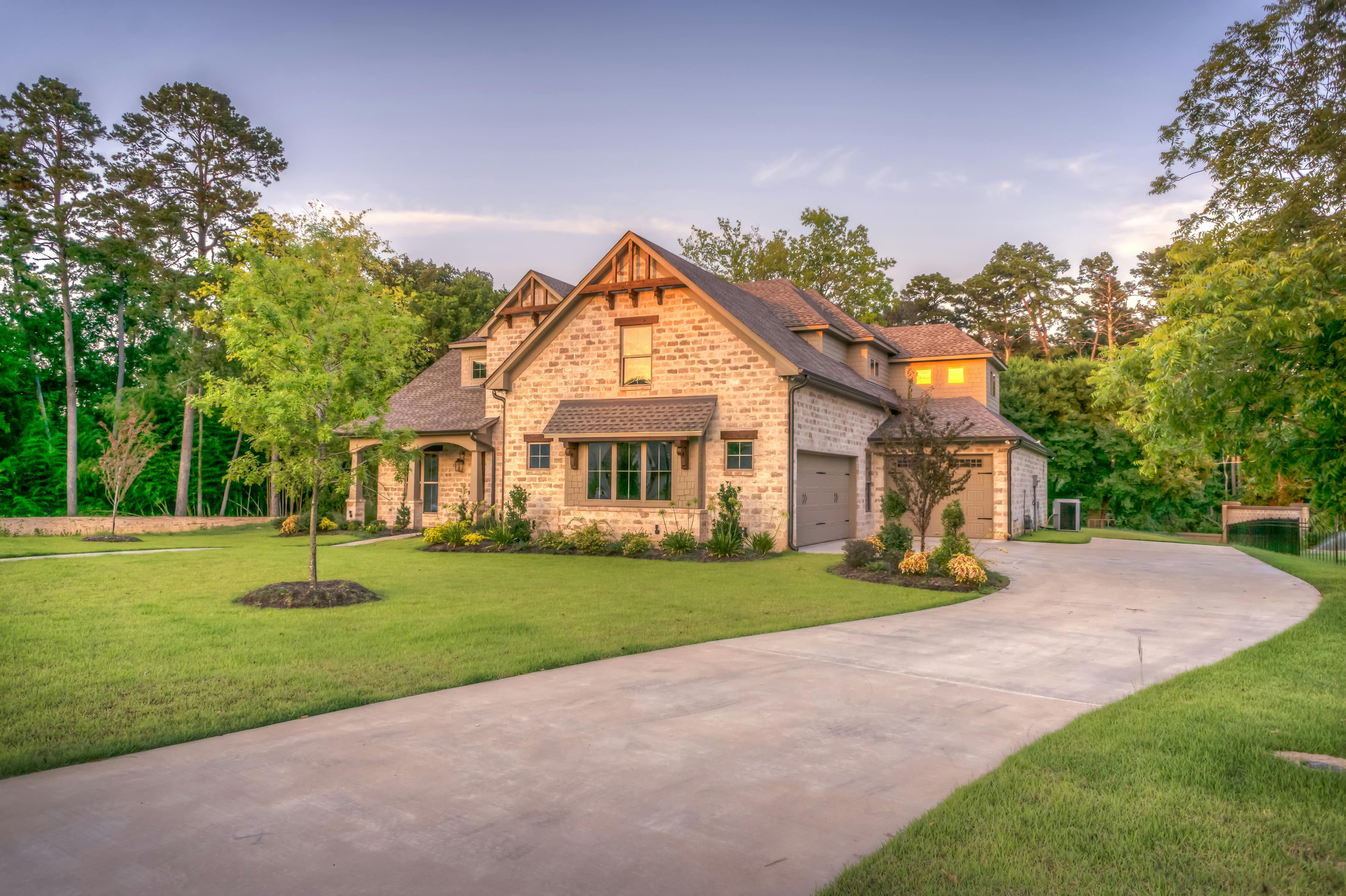
Waiting can be rational. But it is not free. Rent payments continue. Moving costs may rise. And higher interest rates can erase the benefit of a lower purchase price.
For example, a modest price decline paired with a higher rate can still produce a higher monthly payment. Buyers often focus on the headline price and ignore the financing environment.
If you plan to wait, the best use of that time is strengthening your position: improving credit, building reserves, and creating optionality. Waiting without preparation is simply drifting.
A Better Framework: Resilience Over Prediction

Instead of asking “Will the market crash?”, ask “Can my decision survive multiple outcomes?” A resilient purchase does not require perfect timing. It requires margin and flexibility.
A resilient buyer typically has: stable income, manageable debt, reserves after closing, and a time horizon that allows the market to fluctuate. When those conditions exist, buying becomes less about prediction and more about long-term control.
If those conditions do not exist yet, waiting is not weakness, it is strategy. But the strategy should be paired with measurable preparation: improve credit, increase down payment capacity, and model payments under multiple rate scenarios.
Markets may fall. Markets may stall. Markets may rise again. The buyers who win are not the best predictors, they are the most prepared.
Editorial Note
“By failing to prepare, you are preparing to fail.”
— Benjamin Franklin