
The Article
What Is an Algorithm?
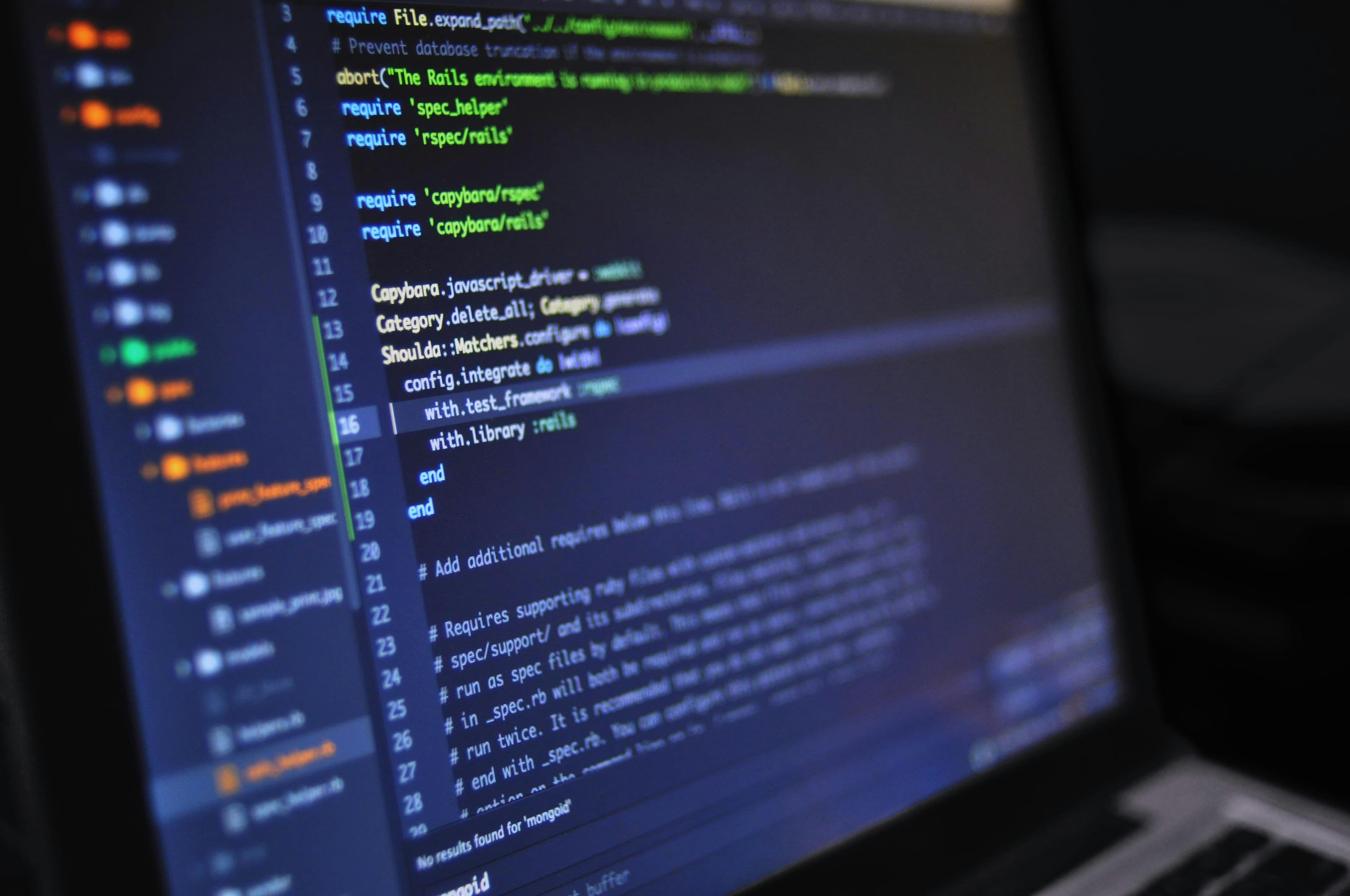
At its most basic level, an algorithm is a set of instructions created to solve a problem or complete a task. In the digital environment, algorithms help platforms decide what to show you, whether that is a search result, a recommended video, or a social media post.
Every time you open an app or type a query into a search bar, algorithms analyze enormous volumes of data to determine what content appears first. These systems rank information based on predicted relevance rather than neutrality.
While the concept is technical, the outcome is simple: algorithms shape visibility.
Personalization and Engagement

Modern digital platforms prioritize engagement. Every click, pause, search, and interaction becomes a signal. Algorithms interpret these signals to predict what you are most likely to engage with next.
This personalization creates an experience that feels tailored and efficient. Content appears relevant, recommendations feel intuitive, and feeds reflect prior interests.
However, personalization also narrows exposure. The more you interact with a particular topic or viewpoint, the more similar content you are shown.
Echo Chambers and Filtered Reality

When algorithms prioritize content similar to what users previously engaged with, they reduce exposure to unfamiliar perspectives. Over time, this can create what is commonly referred to as an echo chamber.
In echo chambers, beliefs are reinforced rather than challenged. This is particularly visible in areas such as politics, culture, and public discourse, where opposing viewpoints may gradually disappear from a user’s feed.
The result is not necessarily misinformation, but imbalance. Algorithms amplify familiarity. It causes people to not think outside the box and enforces the idea of having a closed mind.
Digital Literacy in an Algorithmic World

Algorithms are not inherently harmful. They improve efficiency, filter overwhelming volumes of information, and help users discover content that aligns with their interests.
The key distinction is awareness. Search results are ranked. Feeds are curated. Recommendations are predicted. None of these are purely neutral.
Digital literacy today includes understanding that what appears first is not always what is most accurate or comprehensive. Intentional browsing, diversified sources, and occasional exposure to alternative viewpoints can rebalance perception.
Technology does not simply deliver information, it organizes it. Recognizing that structure allows individuals to engage more deliberately with the digital environment. Having an algorithm helps people engage with the things they love but they close off to so many different viewpoints. There is always a positive for every negative.
Editorial Note
“An algorithm that knows you better than you know yourself.”
— Yuval Noah Harari