
The Article
Panic Comes From Uncertainty, Not Just Low Income

Financial panic in your 20s is common because everything is changing at once. Income may be inconsistent. Expenses often arrive for the first time: rent, insurance, car costs, medical bills, subscriptions, and “small” purchases that quietly become monthly commitments.
The bigger issue is uncertainty. When you don’t know what you owe, what you need, and what you can safely spend, your mind fills the gap with worst-case scenarios. Panic is often a symptom of missing structure.
The goal is not to become obsessive about money. The goal is to create clarity so your brain can stop spinning.
Stability First: Build a Simple Financial Floor

Before chasing advanced investing strategies, build a financial floor. A floor is the minimum structure that keeps you stable even when life gets noisy. It includes three basics: predictable bills, a small emergency buffer, and controlled debt.
If you can pay the essentials reliably and absorb minor surprises, your financial life feels calmer, even if your income isn’t high yet. Most people skip this step and try to build a “financial tower” without a foundation.
A practical starting point is saving one month of expenses. Not as a flex. As insurance against chaos.
Stop Measuring Yourself With Other People’s Lifestyles

One of the fastest ways to create financial stress is to live inside other people’s highlight reels. In your 20s, comparison is constant: vacations, cars, apartments, clothing, restaurants, and “successful” friends who seem ahead.
The hidden truth is that many lifestyles are financed. Some are supported by parents. Some are debt. Some are marketing. And some are real, but comparing your starting point to someone else’s middle is always a losing game.
A better metric is trajectory: are you becoming more stable than you were six months ago? That is real progress.
A Calm Money System That Actually Works
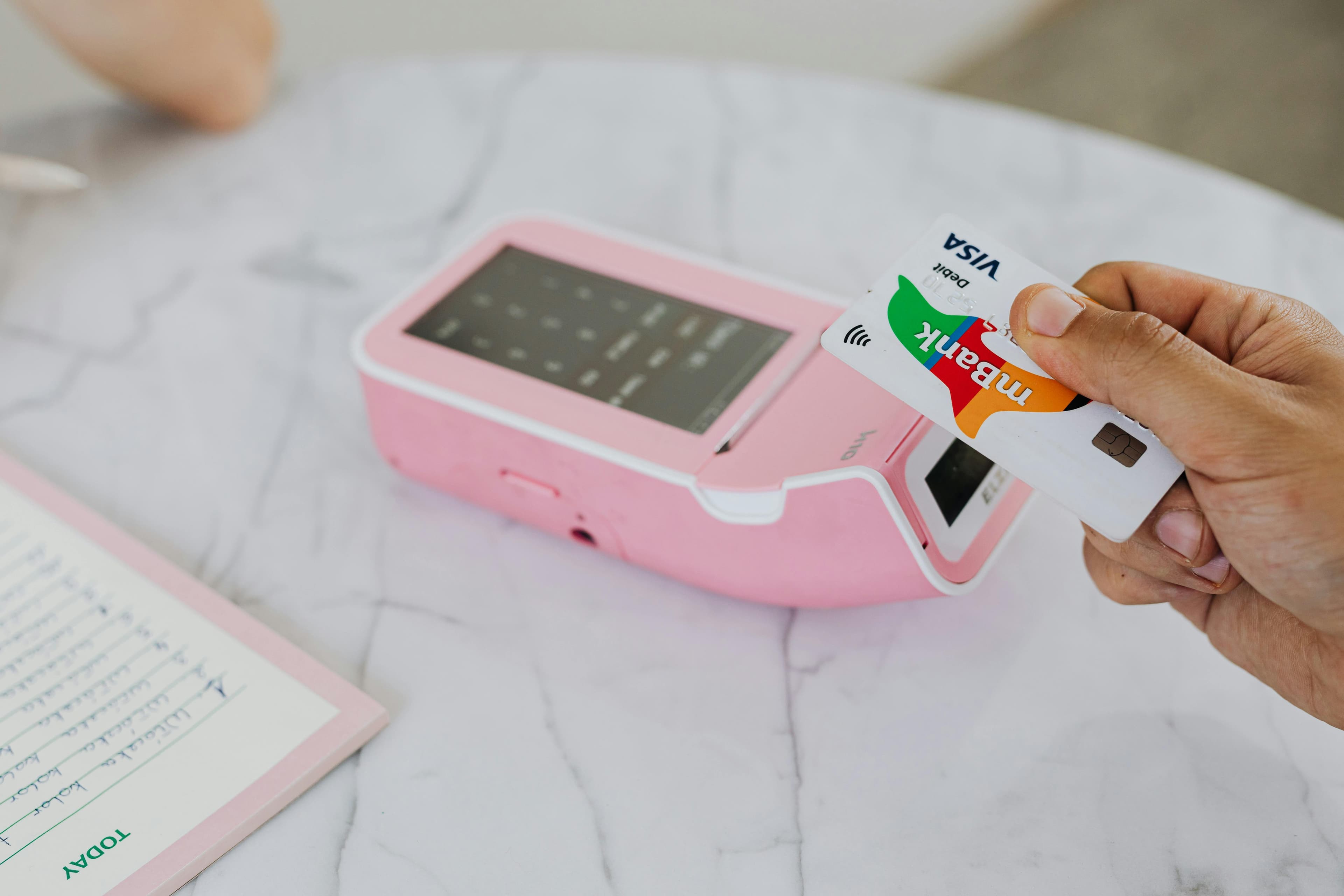
You don’t need a complex budget to feel in control. Most people need a simple system they can follow consistently. A calm system has four moving parts:
- 1) Bills account: essentials and fixed commitments.
- 2) Spending account: food, gas, and life.
- 3) Buffer: emergency savings that prevents panic.
- 4) Growth: investing, skills, or debt payoff. Whatever improves your future capacity.
Once you separate money by purpose, you reduce decision fatigue. You stop renegotiating every purchase in your head. You know what is safe to spend, and you know what is protected.
The core principle is simple: financial peace is not about never making mistakes. It is about building a system that makes mistakes survivable.
Downloads
The Calm Money System Worksheet
A simple one-page worksheet to organize bills, spending, buffer, and growth, so you can make decisions with clarity instead of stress.
Download Worksheet (PDF)
3 pages · Print-friendly format
Editorial Note
“You will either learn to manage money, or the lack of it will manage you.”
— Dave Ramsey