The Article
Apple Has Finally Entered a Market It Allowed Others to Build

Apple was not the company that invented the foldable smartphone.
It was not even particularly early.
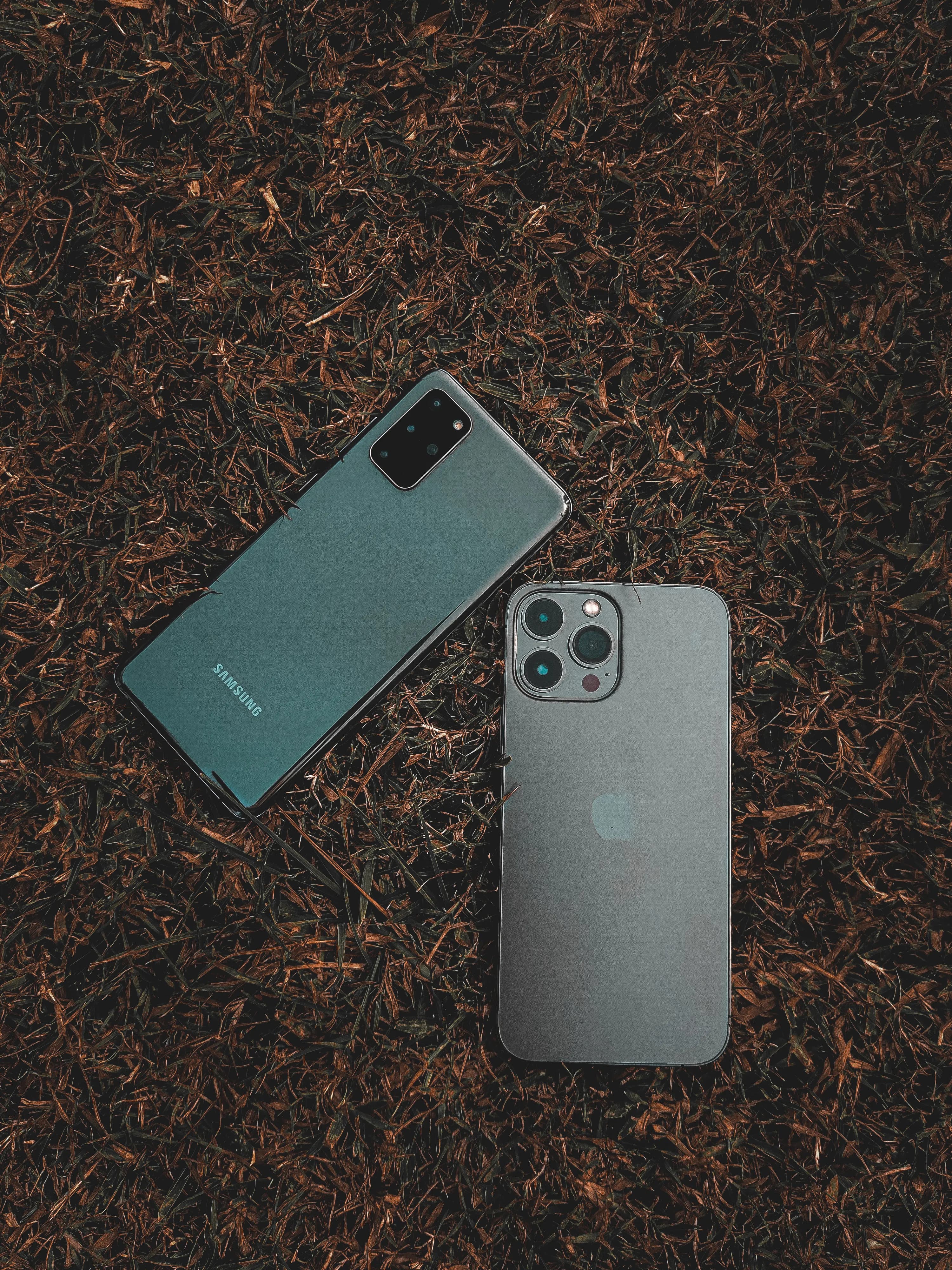
Samsung began selling mass-market foldable phones in 2019, while manufacturers including Huawei, Google, Motorola, and others spent years experimenting with different versions of the concept.
Apple watched.
On September 9, 2026, that period ended when Apple introduced the iPhone Duo, its first foldable iPhone.
The device starts at $1,999 and uses a book-style design. Closed, it functions as a conventional smartphone. Open it, and the device reveals a 7.6-inch internal display approximately 80 percent larger than the display on the iPhone 18 Pro.
It also introduces Apple Pencil support and split-screen multitasking to the iPhone, moving the device closer to territory traditionally occupied by the iPad.
The strategy is characteristically Apple.
The company frequently allows competitors to establish a category before attempting to enter with a more refined version of the idea.
Apple did not need to prove that a screen could fold.
Samsung already did that.
The question Apple now has to answer is considerably more important: why should the average iPhone customer want one?
Foldables Have Been the Future for Years Without Becoming the Present

Foldable smartphones have occupied an unusual position in the technology industry.
They are no longer experimental.
But they are not yet mainstream.
By the end of 2026, cumulative global foldable smartphone shipments are expected to exceed 100 million devices.
That sounds substantial until it is compared with the size of the broader smartphone industry.
Foldables still represent only around 2 percent of global smartphone shipments.
That means the overwhelming majority of consumers continue to choose essentially the same rectangular form factor that has defined the modern smartphone for nearly two decades.
The reasons are understandable.
Conventional smartphones are thinner, mechanically simpler, familiar, and generally less expensive.
Foldables introduce hinges, flexible displays, additional weight, greater manufacturing complexity, and another potential point of failure.
In exchange, they offer something a conventional phone cannot: substantially more screen without requiring the user to carry a substantially larger device.
Until now, that trade-off has appealed primarily to enthusiasts and premium buyers.
Apple may be the company capable of changing the calculation.
Briarstone Assessments
What kind of careeractually fits you?
Six quick questions reveal the kind of work you may naturally gravitate toward, plus career paths worth exploring.
Possible Results
01 — 06“Your result may be more obvious than you think.”
Apple's Entry Changes the Market Even If Most People Never Buy One

The most important consequence of the iPhone Duo may have little to do with its first year of sales.
Apple's participation legitimizes the category.
Market researchers already expect the company to become one of the largest foldable manufacturers almost immediately.
Counterpoint Research projects Apple could capture approximately 25 percent of the global foldable smartphone market in 2026, placing it behind Samsung but ahead of Huawei despite entering the category late in the year.
That changes incentives throughout the industry.
Display manufacturers have a larger reason to invest in flexible panels.
Component suppliers have a larger reason to improve hinges, glass, batteries, and manufacturing yields.
Developers have a larger reason to design software around screens capable of changing size.
Competitors have a larger reason to reduce prices and accelerate their own designs.
And consumers who previously viewed folding phones as unusual may begin to see them as another legitimate option.
Samsung's reaction illustrates the significance.
The company has spent years building the foldable category and currently maintains the strongest position within it. Apple's arrival suddenly turns that technical lead into a competitive defense.
The battle is no longer about whether foldable phones can exist.
It is about who gets to define what a foldable phone should be.
The Strongest Argument for the Foldable iPhone Is Not the Fold

Folding a screen is technically impressive.
But technical difficulty alone does not create consumer value.
The more compelling argument for devices like the iPhone Duo is that the distinction between the phone and the tablet may be disappearing.
For years, consumers have carried different devices for different screen sizes.
The phone was portable.
The tablet offered space.
The laptop offered productivity.
A successful book-style foldable begins to combine the first two.
That creates practical possibilities beyond novelty.
Documents can be viewed at a more useful size.
Two applications can operate beside each other.
Video becomes more immersive.
Editing photos, reading, navigating spreadsheets, taking notes, and working remotely all become more realistic on a device that still fits inside a pocket.
Apple Pencil support pushes that idea even further.
If the foldable iPhone succeeds, its real accomplishment will not be convincing people that folding screens are interesting.
It will be convincing people that carrying both a phone and a small tablet is increasingly unnecessary.
Division Alignment
Network publishes interpretation · Divisions execute
Related Quote
“People don't know what they want until you show it to them.”
— Steve Jobs
Briarstone Network
Stay Within the Network
Receive selected editorials, resources, perspectives, and developments from Briarstone Network directly in your inbox.
Editorials · Resources · Network Updates