The Article
The Chatbot Was Only the Beginning
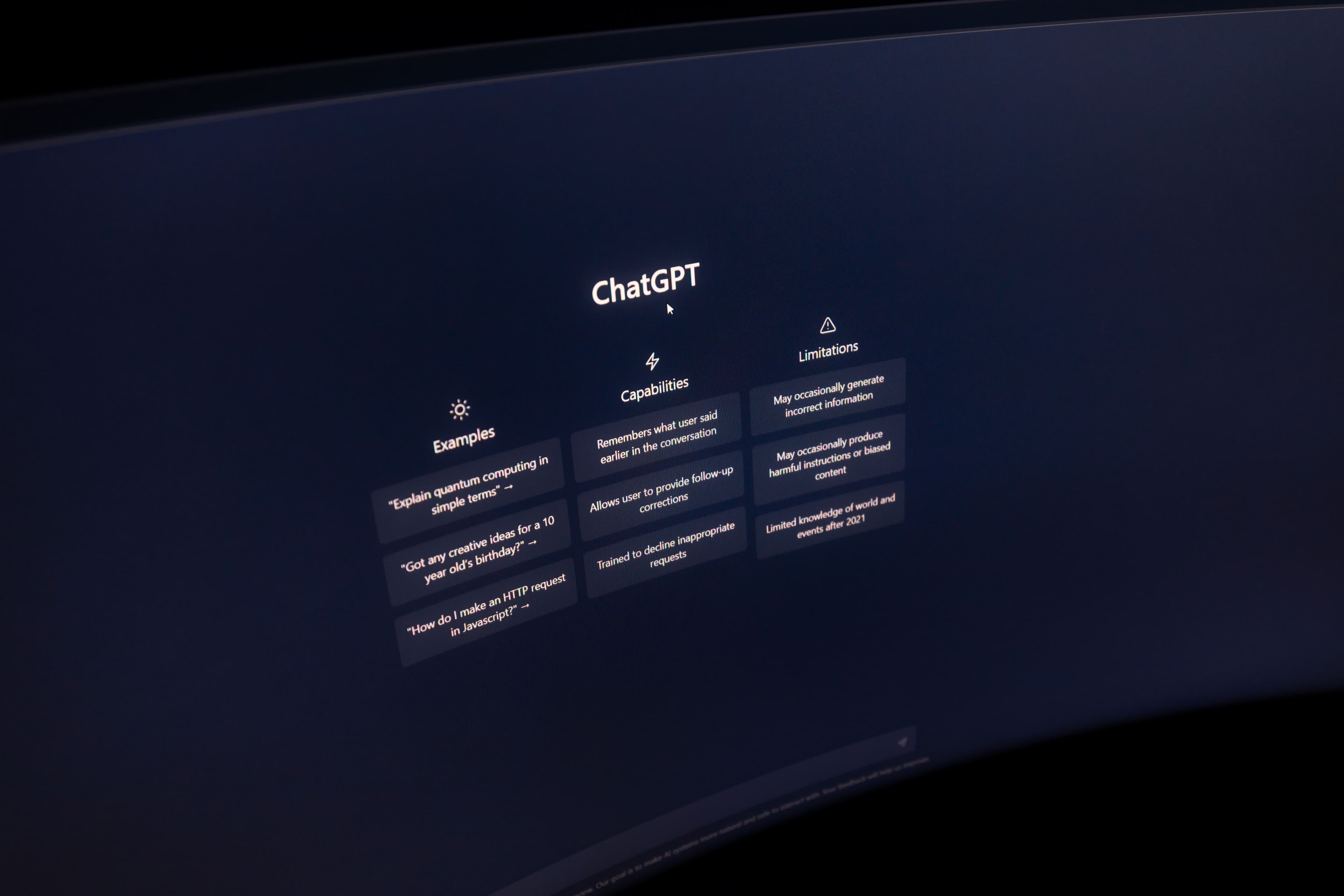
For many people, the recent technological revolution arrived through a chat window.
A user typed a question.
Artificial intelligence generated an answer.
That interface made advanced AI accessible to ordinary users, but it also created a narrow picture of what the technology could eventually become.
The industry is increasingly moving toward AI agents: systems designed not merely to respond to a prompt, but to perform sequences of actions toward an objective.
Instead of asking an AI system how to analyze a spreadsheet, a user may increasingly be able to give the system an objective and allow it to access information, conduct the analysis, generate a report, and coordinate subsequent tasks.
The distinction is significant.
A chatbot primarily produces information.
An agent can potentially produce work.
Businesses are consequently experimenting with systems capable of assisting with software development, research, customer service, data analysis, administrative work, and increasingly complex digital workflows.
Another important development is communication between AI systems. Emerging standards are being developed so independently created agents can exchange information and coordinate tasks across different platforms.
The internet connected computers.
The next layer of computing may increasingly connect intelligent software.
AI Is Moving Into the Physical World

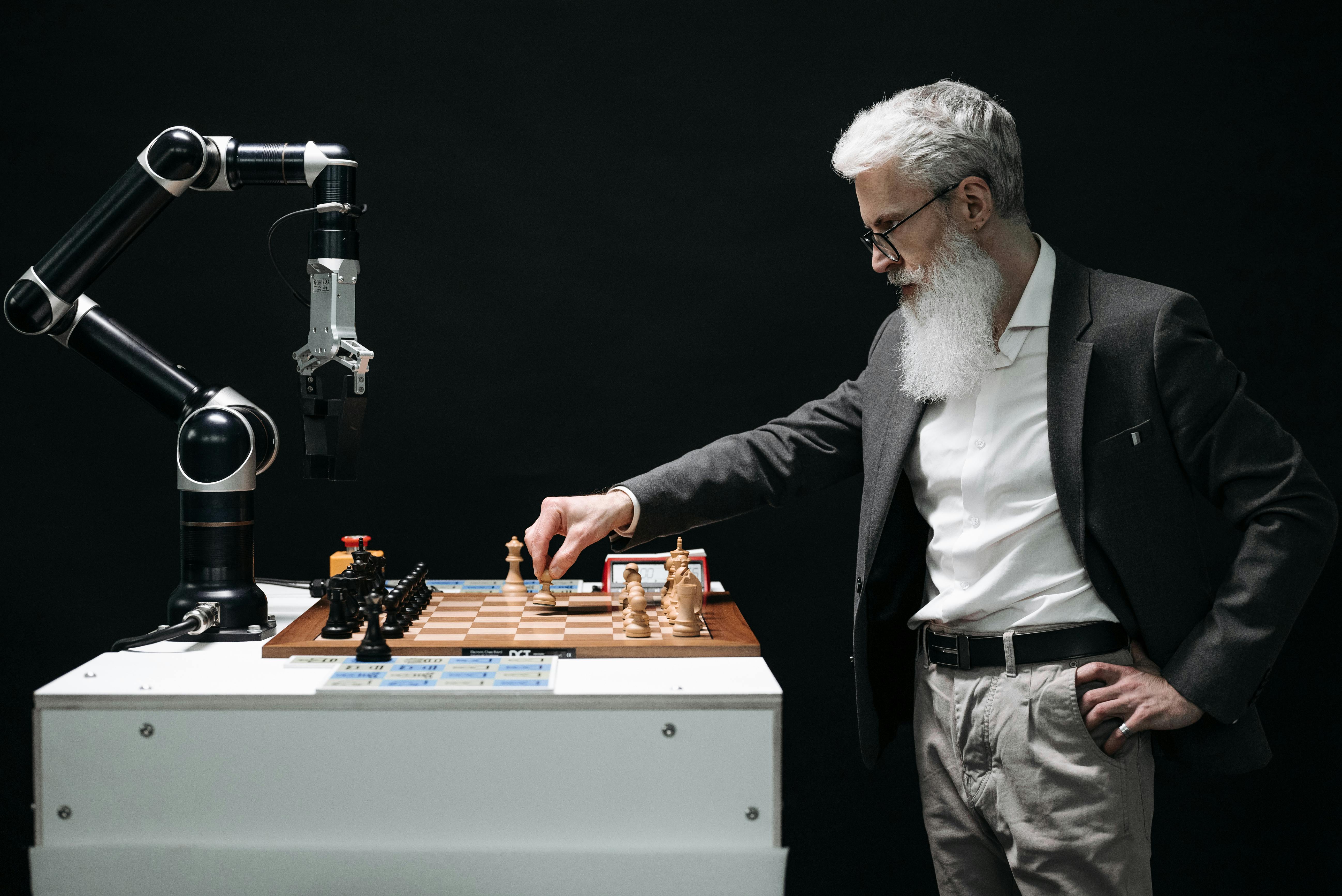
The next major development is happening outside the computer screen.
Robotics has existed for decades, particularly in manufacturing.
Traditional industrial robots, however, generally perform highly structured tasks in environments specifically designed around their limitations.
Artificial intelligence could change that equation.
Advances in computer vision, machine learning, sensors, simulation, and robotics are allowing machines to interpret increasingly complicated physical environments.
This development is sometimes described as physical AI.
Instead of intelligence existing primarily inside computers, AI becomes embedded into robots, vehicles, drones, manufacturing equipment, and other machines capable of interacting with the physical world.
Humanoid robots have become one of the most visible examples.
But demonstrations are no longer the most important test.
The commercial question is whether these machines can perform economically useful work.
Warehousing, manufacturing, logistics, industrial assembly, inspection, and other repetitive physical tasks are becoming important testing grounds.
If these systems become reliable and inexpensive enough, automation could expand beyond factories designed specifically for robots and into environments originally designed for people.
That would represent a much larger economic shift.
Briarstone Assessments
What kind of careeractually fits you?
Six quick questions reveal the kind of work you may naturally gravitate toward, plus career paths worth exploring.
Possible Results
01 — 06“Your result may be more obvious than you think.”
The AI Boom Is Becoming an Infrastructure Boom

Behind increasingly capable artificial intelligence is an enormous physical system.
Processors.
Data centers.
Cooling equipment.
Networking infrastructure.
And electricity.
The computing requirements of advanced AI models have turned access to computational capacity into an increasingly important economic asset.
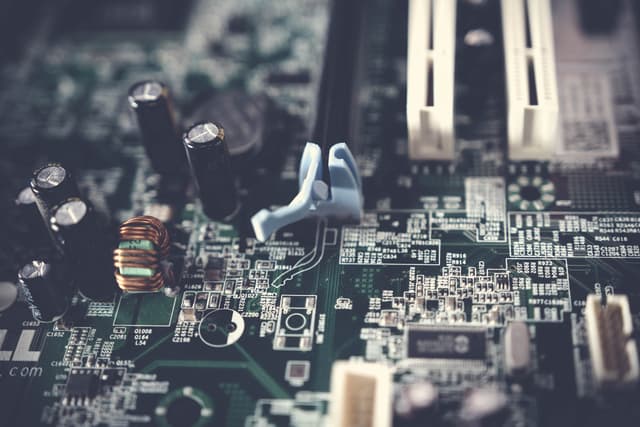
Modern AI infrastructure can combine graphics processors, conventional processors, specialized accelerators, high-speed memory, networking equipment, storage, and sophisticated software into enormous computing systems.
This changes the economics of the technology industry.
The next major advancement does not necessarily come from software alone.
It may require billions of dollars of physical infrastructure behind it.
Technology companies are consequently competing not only for engineers and customers, but also for chips, data-center capacity, electricity, land, and access to capital.
Artificial intelligence is beginning to resemble an industrial sector as much as a software sector.
Its factories are data centers.
Its machinery is silicon.
And energy is becoming one of its most important inputs.
Technology Is Becoming a System, Not a Device

Artificial intelligence is not the only technology advancing.
Quantum computing, biotechnology, advanced energy systems, autonomous machines, new semiconductor architectures, and computational science are developing alongside it.
Some remain experimental.
Others are beginning to move toward practical commercial applications.
Quantum computing is one example.
Quantum computers are not preparing to replace conventional laptops. Their potential lies instead in specialized problems where traditional computing becomes extremely difficult.
Chemistry, materials science, optimization, cryptography, and scientific simulation are among the areas where quantum systems could eventually become useful.
Artificial intelligence is also moving deeper into scientific research itself.
Computational models can help researchers investigate biological interactions, potential drugs, materials, and other complex systems before committing the same resources to physical experimentation.
The laboratory does not disappear.
The technology changes what reaches it.
Energy systems are becoming more computational as well.
Electric vehicles, batteries, buildings, power generation, and electricity networks are becoming increasingly connected through software and intelligent control systems.
These developments can appear unrelated when viewed individually.
Together, they reveal something larger.
For decades, computing largely existed as a tool controlled directly by people. Humans operated software, searched databases, programmed machines, and interpreted the results.
The emerging technological environment is different.
Software can increasingly reason over information.
Agents can perform sequences of tasks.
Machines can interpret their surroundings.
Computing systems can participate in scientific discovery.
Devices can communicate with the infrastructure around them.
Technology is becoming less defined by individual devices and more by the systems connecting them.
That creates extraordinary economic potential, but it also creates questions about security, employment, reliability, capital concentration, privacy, and human oversight.
The defining question may therefore not be how powerful technology becomes.
It may be how much responsibility society decides to give it.
Division Alignment
Network publishes interpretation · Divisions execute
Related Quote
“The advance of technology is based on making it fit in so that you don't really even notice it, so it's part of everyday life.”
— Bill Gates
Briarstone Network
Stay Within the Network
Receive selected editorials, resources, perspectives, and developments from Briarstone Network directly in your inbox.
Editorials · Resources · Network Updates