The Article
The California Housing Market Is Beginning to Move Again

California real estate entered the second half of 2026 with something it has lacked for much of the past several years:
Movement.
Existing single-family home sales reached a seasonally adjusted annual rate of 269,620 in August, according to the California Association of Realtors.
That represented a 2.4 percent increase from July and a 1.4 percent increase from August 2025.
California's statewide median home price also climbed to $901,420, increasing from $887,210 the previous month.
At first glance, those numbers suggest a housing market gradually returning to normal.
But "normal" has become increasingly difficult to define in California.
Sales remain constrained by borrowing costs and affordability. Inventory remains geographically uneven. And a median home price above $900,000 creates a fundamentally different housing market from the one previous generations entered.
California's market is functioning.
The more difficult question is who it is functioning for.
A $900,000 Home Changes the Economics of Homeownership

Home prices are often discussed as numbers on a chart.
But the difference between a $500,000 home and a $900,000 home extends far beyond the purchase price.
It changes the down payment.
It changes the mortgage.
It changes the income required to qualify.
It changes property taxes, insurance exposure, and the amount of cash a household must accumulate before ownership is realistic.
California officials have estimated that only about 17 percent of households in the state can afford a median-priced single-family home.
That statistic illustrates why rising prices can simultaneously be positive news for existing homeowners and discouraging news for prospective buyers.
Someone who already owns a home participates in appreciation.
Someone saving for their first home has to chase it.
As prices rise, the owner's equity can increase while the prospective buyer's required down payment moves farther away.
Real estate therefore does something unusual when housing becomes persistently scarce.
The same price increase can create wealth for one household while increasing the barrier to entry for another.
Briarstone Assessments
What kind of careeractually fits you?
Six quick questions reveal the kind of work you may naturally gravitate toward, plus career paths worth exploring.
Possible Results
01 — 06“Your result may be more obvious than you think.”
Existing Homeowners Have an Advantage That Goes Beyond Equity
The divide in today's housing market is not simply between people who can afford a mortgage and people who cannot.
It is also between mortgages themselves.
Millions of homeowners purchased or refinanced when interest rates were significantly lower than they are today.
That creates an unusual financial incentive.
Selling a home may mean giving up an inexpensive mortgage and replacing it with a substantially more expensive one.
A homeowner may therefore decide not to move even when they would otherwise prefer a different property.
This phenomenon is commonly described as the mortgage-rate lock-in effect.
Its impact extends beyond the individual homeowner.
When fewer owners list their properties, fewer existing homes become available to buyers.
Lower turnover can restrict inventory.
Restricted inventory can support prices.
And supported prices make affordability more difficult for the buyers waiting for relief.
The housing market can therefore remain expensive even when demand is weaker than it would be under lower interest rates.
California Is Trying to Attack the Supply Side

California increasingly appears to recognize that housing affordability cannot be solved exclusively through assistance to buyers.
More housing has to exist.
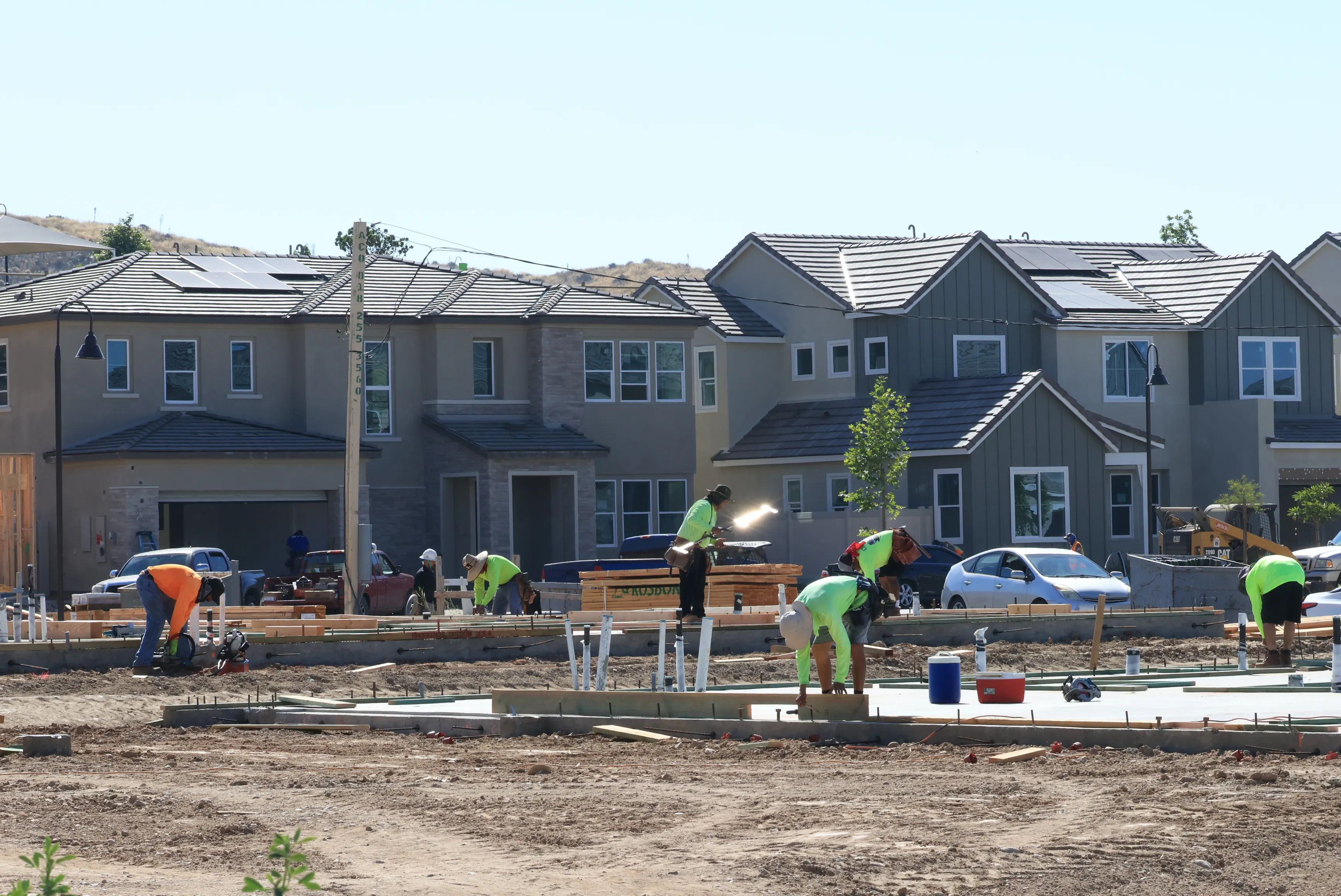
The state has spent several years changing zoning rules, accelerating approvals, expanding opportunities for accessory dwelling units, and placing greater pressure on local governments to plan for additional housing.
In 2026, that effort has continued through additional housing finance reforms intended to reduce development costs and shorten the process required to deliver affordable housing.
California says annual residential construction increased from roughly 70,000 homes in 2018 to approximately 111,000 in 2024.
The state also reports that more than 682,000 homes have been built since 2019.
Those are meaningful increases.
But California is attempting to correct a housing shortage accumulated over decades.
That means increasing construction for several years does not immediately translate into inexpensive housing.
Land remains expensive.
Labor remains expensive.
Materials, financing, permitting, infrastructure, insurance, and regulatory requirements all become part of the final cost of producing a home.
California does not merely need permission to build more housing.
It needs the economics of building that housing to work.
Division Alignment
Network publishes interpretation · Divisions execute
Related Quote
“Buy land, they're not making it anymore.”
— Mark Twain
Briarstone Network
Stay Within the Network
Receive selected editorials, resources, perspectives, and developments from Briarstone Network directly in your inbox.
Editorials · Resources · Network Updates