

The Article
The Market Is Moving, Just Not Quickly
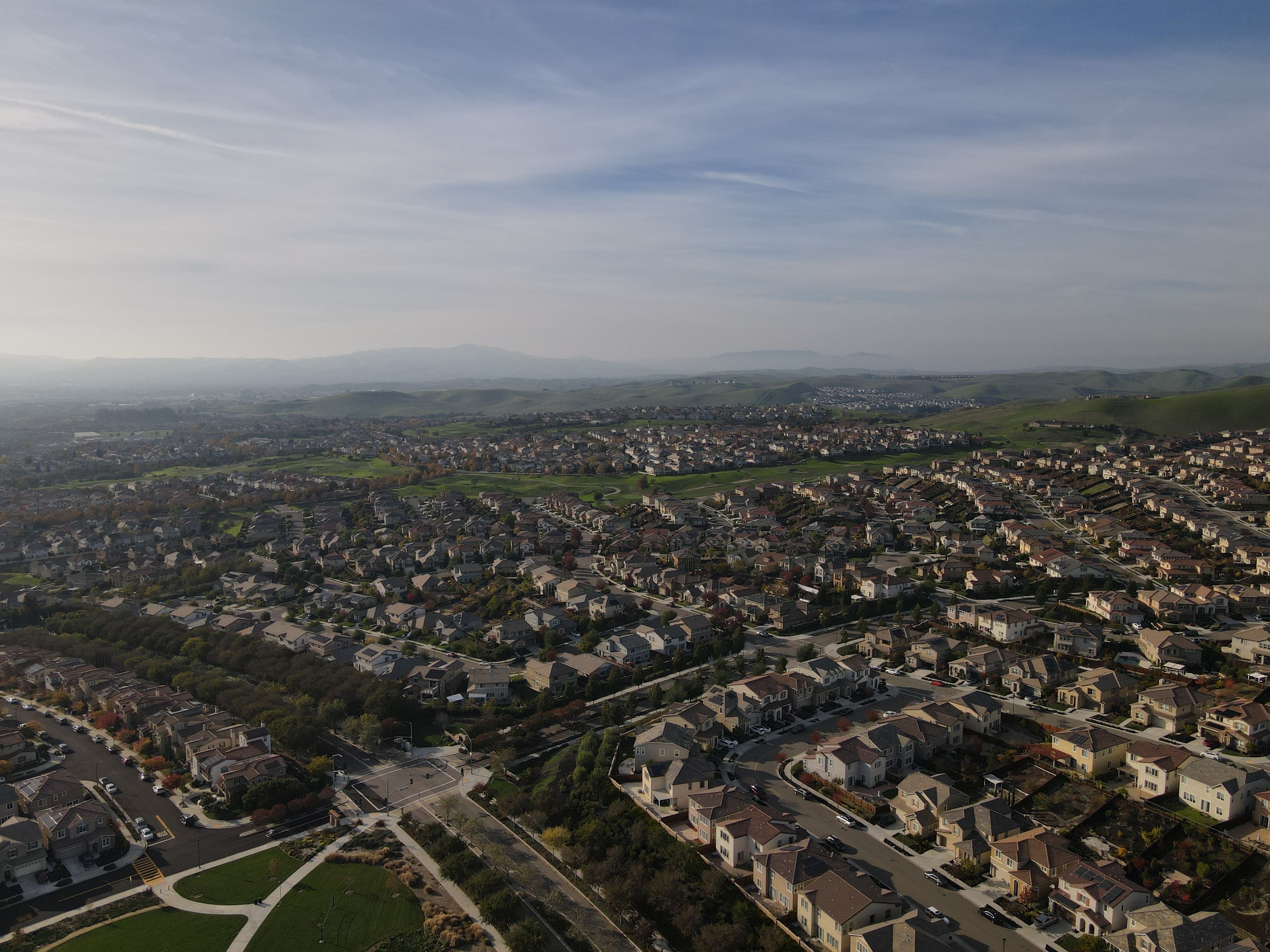
Real estate in 2026 is difficult to describe with a single word.
It is not a collapse. It is not a boom. And despite years of predictions that one side of the market would eventually break, neither buyers nor sellers have completely surrendered.
Existing-home sales across the United States declined 1.7 percent from June to July, reaching a seasonally adjusted annual rate of 4.06 million homes.
But compared with July of last year, sales were still slightly higher. Prices also continued moving upward, with the national median existing-home price reaching roughly $434,100.
That combination matters.
Transactions are slow, but prices have remained remarkably resistant to the kind of correction many buyers have been waiting for.
Instead of a market moving aggressively in one direction, the country has entered something closer to a waiting period.
Buyers are waiting for better financing. Sellers are waiting for stronger demand. And both sides are watching the same number: mortgage rates.
Interest Rates Are Still Controlling the Room

For most buyers, the price of the house is only part of the equation.
The monthly payment is what ultimately determines whether the purchase works.
As of August 13, the average 30-year fixed mortgage rate was approximately 6.67 percent. That is nowhere near historical extremes, but it remains high enough to materially change the cost of purchasing a home.
A difference of even one percentage point can translate into hundreds of dollars each month depending on the loan balance.
That changes behavior.
Buyers who might once have stretched their budget for an additional bedroom, larger yard, or better neighborhood are becoming more selective.
Sellers are also discovering that a desirable property does not automatically create unlimited demand.
Buyers may still want the home. The question is whether the payment allows them to buy it.
Until financing becomes meaningfully cheaper, affordability will continue to influence the housing market as much as the homes themselves.
Briarstone Assessments
What kind of careeractually fits you?
Six quick questions reveal the kind of work you may naturally gravitate toward, plus career paths worth exploring.
Possible Results
01 — 06“Your result may be more obvious than you think.”
California Makes the Pressure More Visible
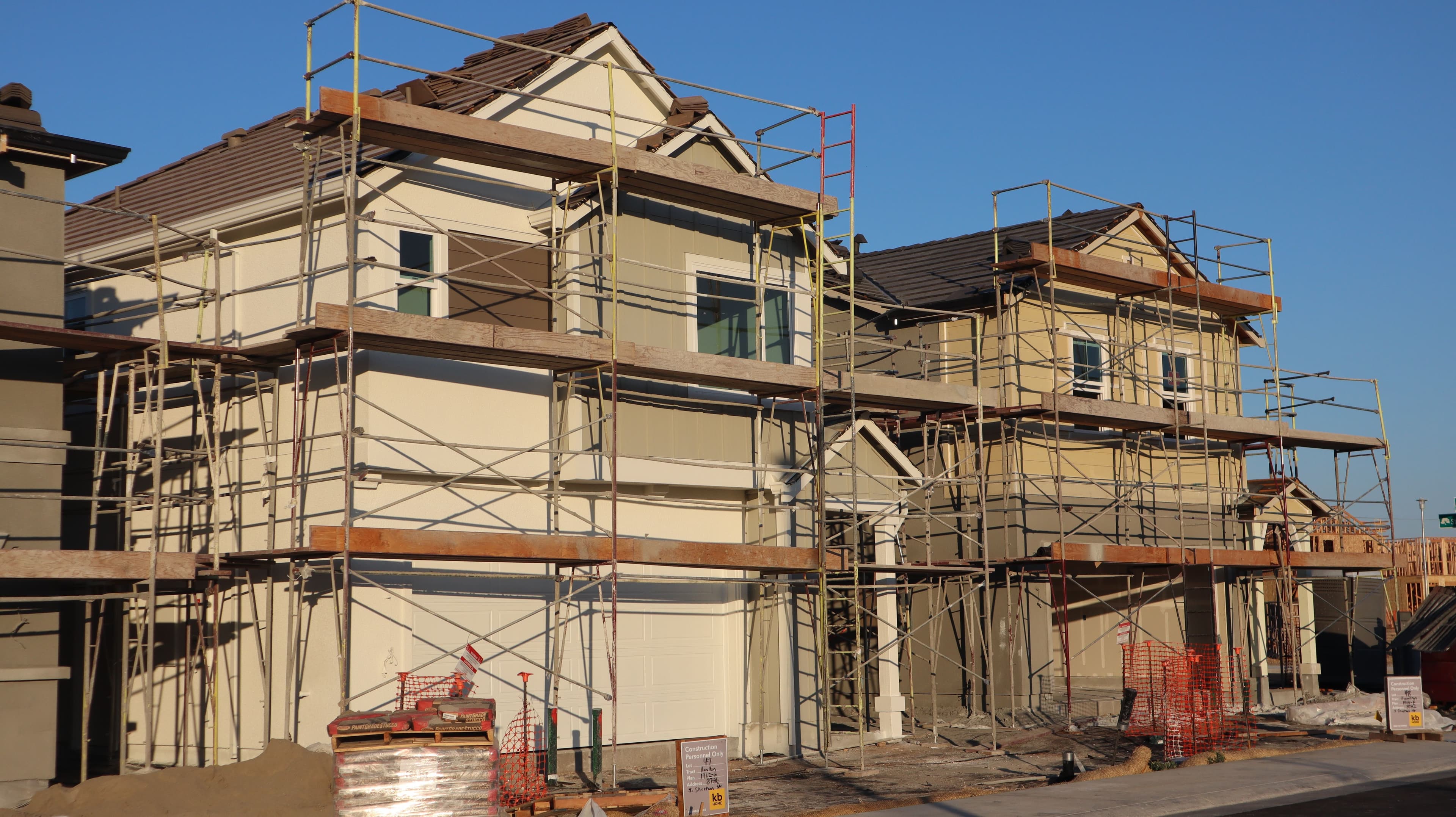
Nowhere is this tension more visible than California.
During the second quarter of 2026, the median-priced existing single-family home in California was approximately $916,750.
According to the California Association of Realtors, only about 19 percent of California households could afford that home under its affordability methodology.
The estimated minimum qualifying income was approximately $228,400 per year.
In the Los Angeles metropolitan area, the affordability rate was even lower at roughly 17 percent.
That creates a fundamentally different marketplace than the one suggested by national averages.
- buyers have to be more disciplined about monthly payments
- sellers have to pay closer attention to condition and pricing
- smaller homes and attached housing become more important entry points
- renovation potential can matter almost as much as finished appearance
- location remains valuable, but affordability increasingly determines how much buyers can compromise
California real estate remains valuable partly because supply, location, employment, and demand continue to support it.
But value and affordability are not the same thing.
A market can remain expensive while becoming increasingly difficult for ordinary households to enter.
The Advantage Is Shifting Toward Prepared Buyers and Sellers

A slower market changes what creates an advantage.
During periods of aggressive appreciation, speed can matter more than precision. Buyers waive conditions. Sellers receive multiple offers. Properties move before everyone has time to think.
That is less dependable today.
Homes nationally spent a median of 29 days on the market in July. Inventory represented approximately 4.6 months of supply.
That is not an enormous amount of inventory, but it creates enough space for buyers to compare.
And comparison changes the transaction.
A buyer can look at the roof, flooring, kitchen, insurance, potential repairs, taxes, financing, and resale position instead of focusing exclusively on whether someone else will submit an offer first.
Sellers face the other side of that reality.
Presentation matters more. Pricing matters more. Repairs matter more. Photography, marketing, and the first impression of a listing become increasingly important when buyers have alternatives.
New construction provides another signal. New single-family homes had approximately 9.3 months of supply nationally at the end of June, substantially more than the existing-home market.
Builders therefore have their own incentive to compete for buyers, whether through pricing, financing incentives, upgrades, or other concessions.
The market is not necessarily becoming easy for buyers.
It is becoming more selective.
And in a selective market, preparation becomes more valuable than urgency.
Division Alignment
Network publishes interpretation · Divisions execute
Related Quote
“Price is what you pay. Value is what you get.”
— Warren Buffett
Briarstone Network
Stay Within the Network
Receive selected editorials, resources, perspectives, and developments from Briarstone Network directly in your inbox.
Editorials · Resources · Network Updates