The Article
A City Built by Arrival
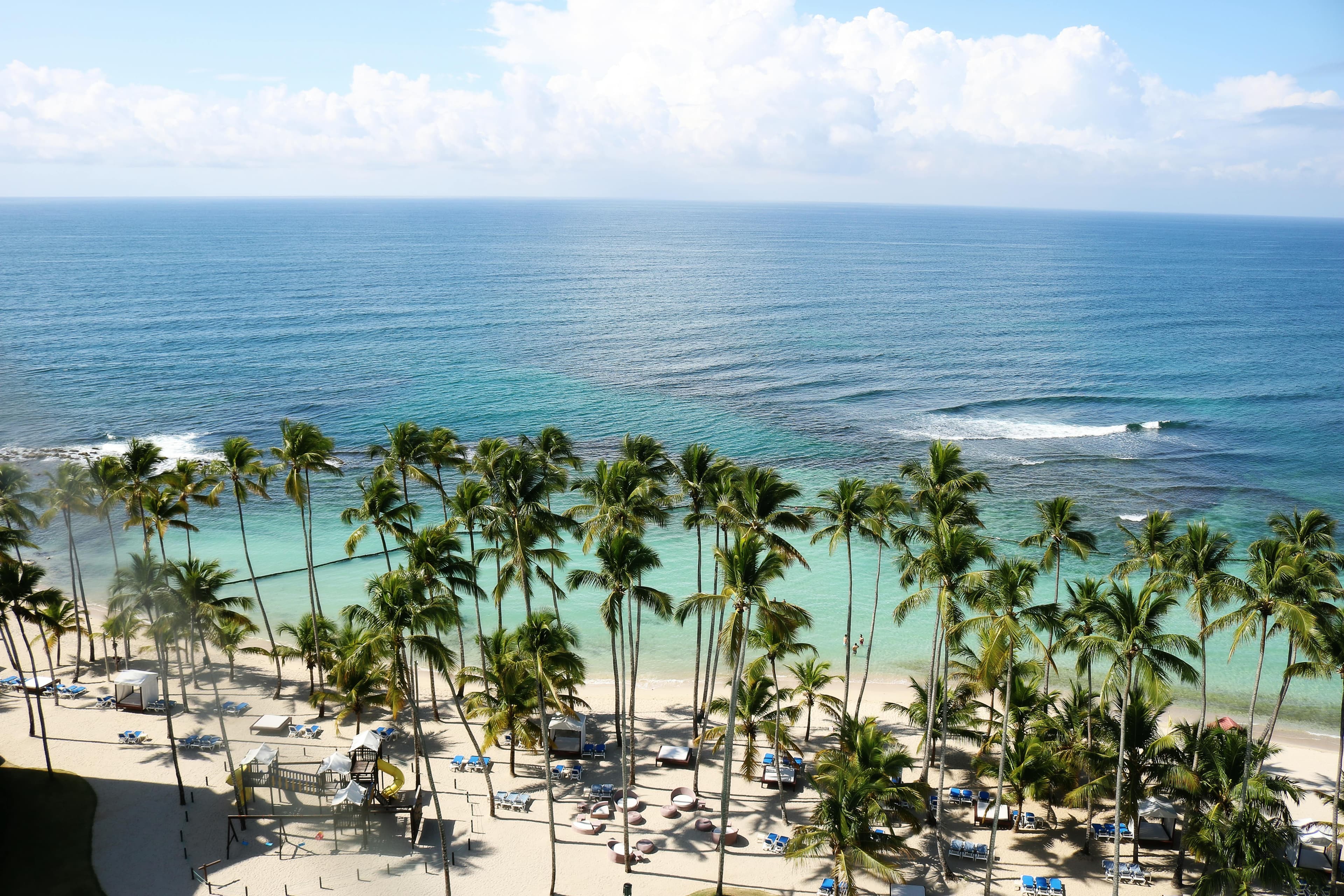
Miami was never shaped by one story. It was shaped by many arrivals.
Cuban families. Haitian neighborhoods. Colombian kitchens. Venezuelan bakeries. Caribbean markets. Each wave brought recipes that carried more than flavor, they carried memory, survival, and identity.
Food became the first language people used to explain who they were before they learned how to say it in English.
Why the Food Feels Personal Here

In Miami, recipes are rarely just recipes. They are inheritances.
Many dishes were perfected long before the city skyline existed. They were refined in small kitchens, carried across water, rewritten through necessity, and preserved through repetition.
When someone serves you food here, they often serve you their childhood without realizing it.
Briarstone Assessments
What kind of careeractually fits you?
Six quick questions reveal the kind of work you may naturally gravitate toward, plus career paths worth exploring.
Possible Results
01 — 06“Your result may be more obvious than you think.”
Culture on Every Block

Walk a few streets and the spices change. The language shifts. The rhythm of conversation softens or sharpens.
Cafecito windows sit beside Caribbean grills. Dominican lunch counters neighbor modern coastal kitchens. The borders blur until the city becomes a living menu.
Eating in Miami is a way of traveling without leaving your seat.
Why It Stays With You
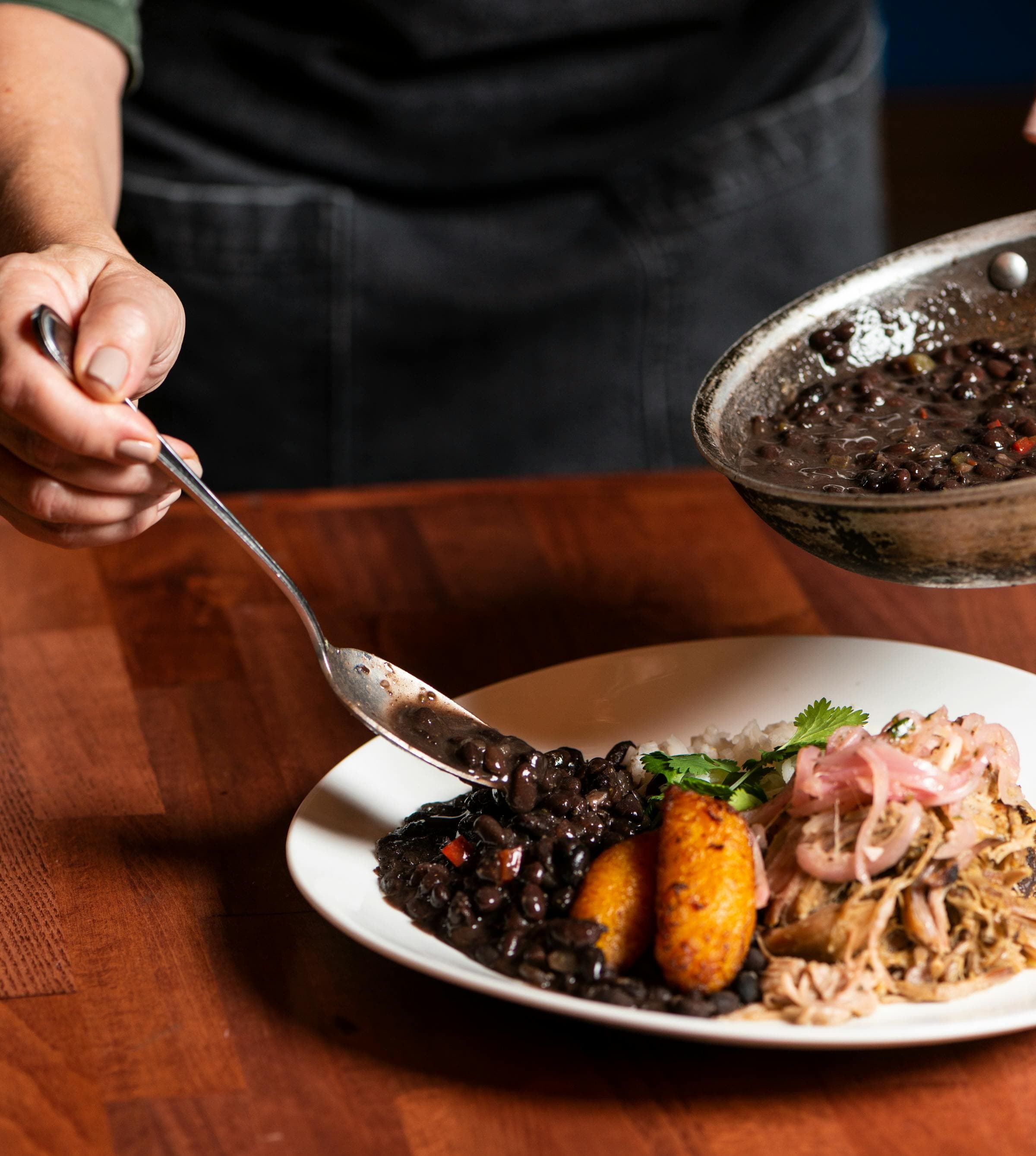
People remember Miami meals long after they forget the names of restaurants.
They remember the warmth of bread passed by hand. The sound of Spanish drifting between tables. The weight of lime and salt and heat lingering on their fingers.
Because here, food doesn’t try to impress. It tries to belong.
Related Quote
“In Miami, food isn’t a trend. It’s inheritance.”
— Briarstone Editorial
Briarstone Network
Stay Within the Network
Receive selected editorials, resources, perspectives, and developments from Briarstone Network directly in your inbox.
Editorials · Resources · Network Updates